Firebug Font for Modern Web Design
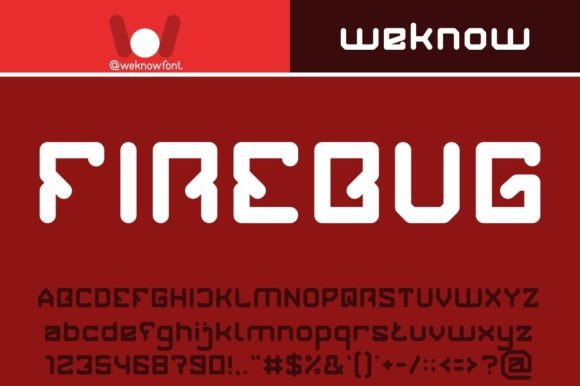
Firebug is a display font that brings a futuristic and bold aesthetic to digital projects. Its clean lines and sharp edges give it a modern, tech-forward personality, making it ideal for designs with a sci-fi or high-tech vibe. As a web designer, I've found that Firebug adds a unique visual punch without sacrificing readability when used appropriately.
Visual Characteristics of Firebug
Firebug has a strong geometric structure with subtle variations in stroke weight that create depth and interest. The letterforms are precise and angular, which gives the font a sense of energy and movement. It's not overly ornate, so it works well in both minimal and maximal design systems. The font’s personality is confident and forward-thinking, fitting perfectly into brand identities that aim to feel innovative and cutting-edge.
The font includes a range of weights and styles, allowing for flexibility in different contexts. Whether you're using it for a hero title or a small button, Firebug maintains its clarity and impact. This versatility makes it a valuable asset in any designer’s toolkit.
Using Firebug in Website Layouts
Firebug shines in areas where you need attention-grabbing typography. It's particularly effective for website headers, hero sections, and call-to-action buttons. For example, on a product landing page, using Firebug for the main headline immediately sets a tone of innovation and professionalism.
In a creative portfolio site, Firebug can be used for section headings and project titles, creating a cohesive and dynamic visual rhythm. When paired with a clean sans serif font like Helvetica or Arial for body text, it creates a balanced contrast that improves readability and user experience.
For online stores, Firebug can be applied to banners and promotional graphics to highlight limited-time offers or new arrivals. The font’s boldness ensures that these messages stand out, even on busy product pages.
Readability and Visual Hierarchy
While Firebug is a display font, it's important to use it in ways that support readability. It's best suited for short phrases, headlines, and decorative accents rather than long paragraphs of text. When used for larger text sizes, it maintains legibility across different screen sizes and resolutions.
On mobile screens, Firebug performs well if given enough space. Avoid using it for small buttons or inline text where users might struggle to read it quickly. Instead, reserve it for prominent elements that benefit from its visual impact.
Its strong visual presence also helps establish a clear hierarchy on the page. By using Firebug for primary headings and a simpler font for supporting text, you guide the reader's eye naturally through the content, improving scanning behavior and engagement.
Brand Tone and User Engagement
Firebug contributes to a brand’s tone by reinforcing a sense of innovation and confidence. Brands that want to appear modern, professional, and forward-thinking can use this font to align their visual identity with their messaging.
When used consistently across a website, Firebug helps build a strong, recognizable brand presence. From logo text to marketing banners, it reinforces a unified look and feel that enhances brand trust and user engagement.
It's especially useful for SaaS brands, tech startups, and digital agencies looking to communicate a sense of expertise and creativity. The font’s futuristic appeal supports a brand voice that's both authoritative and approachable.
Font Pairing and Stylistic Balance
To maintain balance, pair Firebug with a complementary typeface. A simple sans serif font like Open Sans or Roboto works well for body copy, providing a contrast that keeps the design from feeling too heavy or overwhelming.
If your brand leans more towards editorial or creative design, consider pairing Firebug with a serif font such as Georgia or Merriweather for a more refined look. This combination can be especially effective in blog headers or course pages where a mix of bold and traditional typography enhances visual interest.
Experiment with different combinations to find what feels most natural for your brand. The key is to ensure that the fonts work together to support the overall message and purpose of the design.
Practical Considerations for Web Use
Before implementing Firebug on a live site, check the font's available styles, weights, and file formats. Ensure it's compatible with your CMS or design platform and that it loads efficiently on all devices.
Also, verify whether the font supports multilingual characters if your audience speaks multiple languages. This detail can affect how well the font integrates into global branding efforts.
Finally, make sure you have the appropriate commercial license for the font, especially if you're using it for client projects, online stores, or digital templates. Proper licensing protects both your work and the rights of the font creator.